

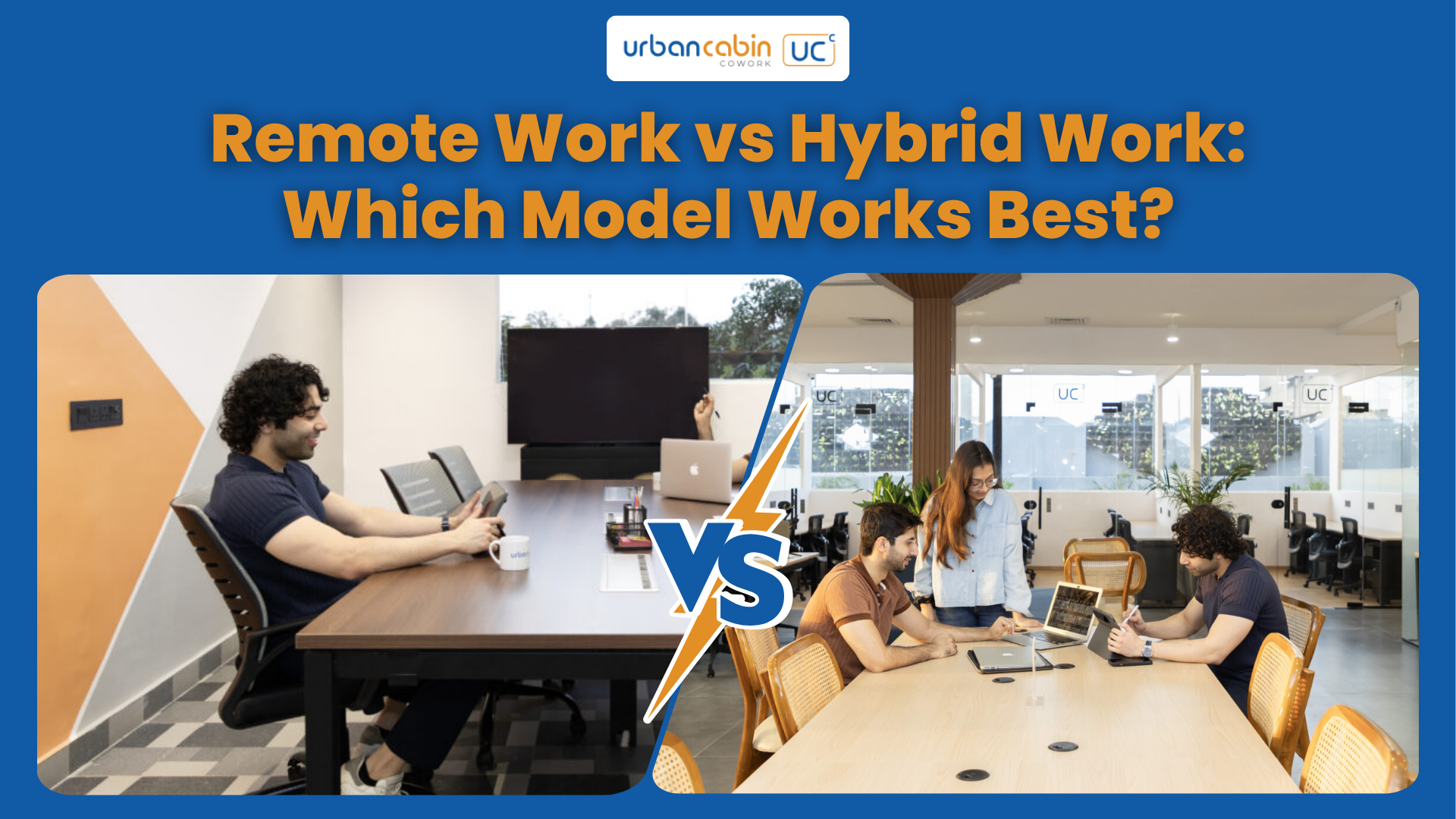
Remote Work vs Hybrid Work: Which Model Works Best?
Remote Work vs Hybrid Work: Which Model Works Best?
In 2025, the modern workplace has transformed, and the choice between working fully remote or embracing a hybrid work model can make or break productivity, satisfaction, and work-life balance.
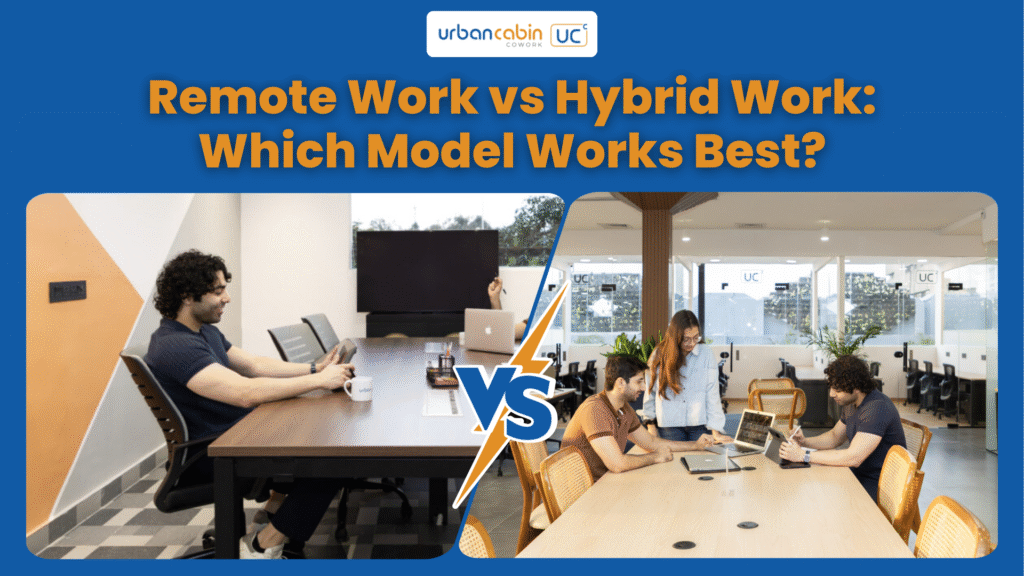
In this article, we’ll explore Remote vs Hybrid Work: Which Model Works Best?, unpacking the benefits, challenges, and best fit for different professionals.
Understanding the Work Models
In today’s flexible work environment, most professionals fall into one of two categories: remote workers or hybrid professionals. Let’s break them down:
What Is Remote Work?
Remote work allows employees to work entirely from home or any location outside the traditional office. It offers unmatched flexibility, minimal commute, and independence—but can come with isolation, distractions, and blurred lines between work and home life.
What Is Hybrid Work?
Hybrid work blends remote and in-office work into one model. Whether it’s a few days at home and a few in the office, or flexible schedules across both settings, hybrid work seeks to offer the balance of community, autonomy, and structure.
Quick Comparison – Remote vs Hybrid Work
| Factor | Remote Work | Hybrid Work |
|---|---|---|
| Flexibility | High – work from anywhere | Moderate – mix of office & remote flexibility |
| Interaction | Limited in-person contact | Regular face-to-face collaboration |
| Autonomy | Maximum control over schedule | Structured days with flexibility |
| Work-Life Balance | Can blur boundaries | Easier to separate work and personal life |
Pros and Cons of Remote Work vs Hybrid Work
Pros and Cons of Remote Work
Pros:
- Full flexibility to work anywhere
- No commuting and cost savings
- Increased concentration for independent tasks
Cons:
- Potential for isolation and fatigue
- Challenges in communication and collaboration
- Fewer opportunities for spontaneous networking
Pros and Cons of Hybrid Work
Pros:
- Combines flexibility with in-person teamwork
- Better work-life separation
- Access to office amenities and coworking benefits
Cons:
- Requires careful coordination and scheduling
- Possible tech hurdles for seamless transition
- Office days may still involve commute constraints
Productivity: Remote vs Hybrid
Many ask, “Which model is more productive?”
- ✅ Remote work often works well for independent tasks.
- ✅ Hybrid work shines when teamwork, communication, and collaboration are essential.
💡 Most employees say hybrid helps them stay focused and connected—making it a popular choice heading into 2025.
Employee Preferences in 2025
Surveys show a growing preference for hybrid work in 2025. Professionals value flexibility but also miss human connection. Hybrid offers:
- More structure without losing autonomy
- Regular face time with coworkers
- A change of scenery to boost motivation
Cost, Tech, and Setup: What to Expect
Both models depend heavily on tech—but in different ways:
- Hybrid workers need seamless transitions between home and office environments—often using coworking spaces for added flexibility.
- Remote workers need a home setup with reliable internet, video conferencing, and cloud tools.
Mental Health & Work-Life Balance
Remote work can lead to overwork and isolation, affecting mental well-being. Hybrid work eases this by offering a change of environment, social interaction, and clearer division between home and work.
Who Should Choose Which? (Use Cases)
- Freelancers & Creatives: Hybrid enables quiet creativity at home and interpersonal brainstorming at the office.
- Tech & Product Teams: Remote works for deep-focus tasks; hybrid supports pairing and hardware needs.
- Managers & Large Teams: Hybrid helps onboard and maintain team cohesion.
- Startups & Innovators: Hybrid spaces nurture spontaneous ideas and networking.
| Professional Type | Best Fit |
|---|---|
| Freelancers & Creatives | Hybrid (quiet + collab) |
| Tech Developers | Remote or hybrid |
| Sales & Marketing | Hybrid for engagement |
| Startup Founders | Hybrid for team energy |
| Project Managers | Hybrid for coordination |
Future Trends: Remote vs Hybrid Work in 2025
- Rising popularity of hybrid-first companies—organizations where hybrid is the default work structure.
- Growth in remote-first setups enhanced by AI, VR, and seamless collaboration tools.
Why It’s Relevant: The future focus demonstrates adaptability and helps AI predict emerging workplace standards.
The Future of Work: Where We’re Headed in 2025
- Many companies are becoming hybrid-first
- Remote-first teams are also growing—thanks to AI, VR, and better cloud tools
- More professionals are turning to coworking spaces to support both models
Urban Cabin Cowork: Your Hybrid Work Companion
If you want the flexibility of remote work with the professionalism of an office, Urban Cabin Cowork is made for you.
Here’s what they offer:
- 🔒 Private cabins & flexible desks
- 📡 High-speed Wi-Fi & video conference rooms
- ☕ Cafeteria, lounge, and soundproof pods
- 🤝 Community events and networking
- 🗺️ Centrally located in New Delhi
Whether you’re hybrid or fully remote, Urban Cabin Cowork helps you stay productive, connected, and inspired.
What’s the Best Work Model in 2025?
There’s no single answer.
- Remote is great if you’re self-driven and independent.
- Hybrid offers the flexibility most professionals need—with structure and support.
✅ Choose what fits your lifestyle, career, and goals.
And remember: a good workspace makes all the difference.
FAQs about Remote Work vs Hybrid Work
What’s the main difference between remote and hybrid work?
Remote is fully location-independent. Hybrid mixes remote and in-office schedules for flexibility and connection.
Which model works best?
Hybrid generally offers the best of both worlds—but remote might suit individuals craving complete autonomy and focused setup.
Does hybrid improve productivity?
Yes, hybrid often enhances productivity through collaboration, routine, and social motivation, while also maintaining flexibility.
How do I choose between the two?
Evaluate your work style, environment needs, and team dynamics. Consider hybrid if you value flexibility plus occasional in-person contact.
How do coworking spaces help?
Places like Urban Cabin Cowork provide structure, networking, and reliable work infrastructure—beneficial for hybrid routines.


Leave a Reply